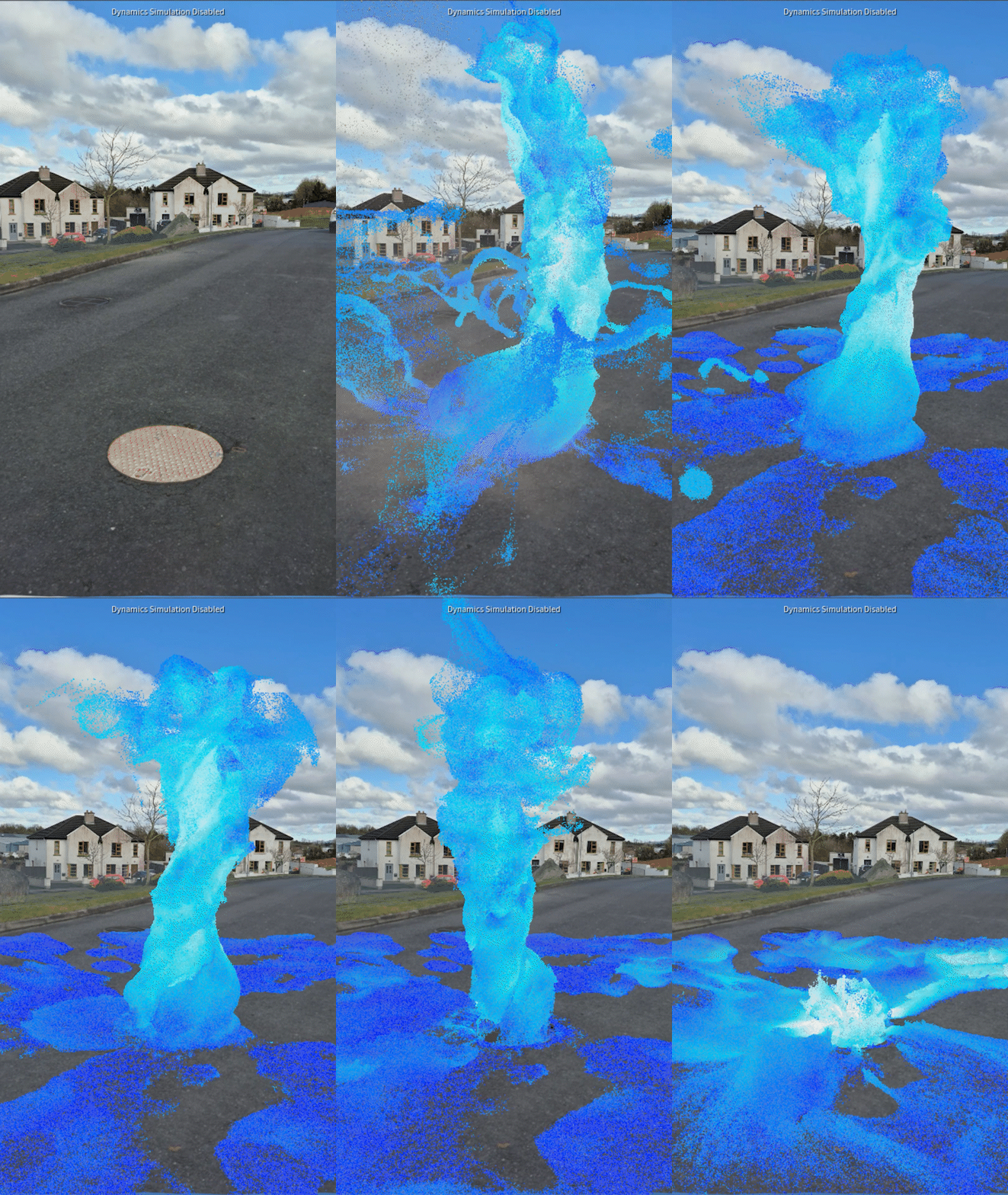
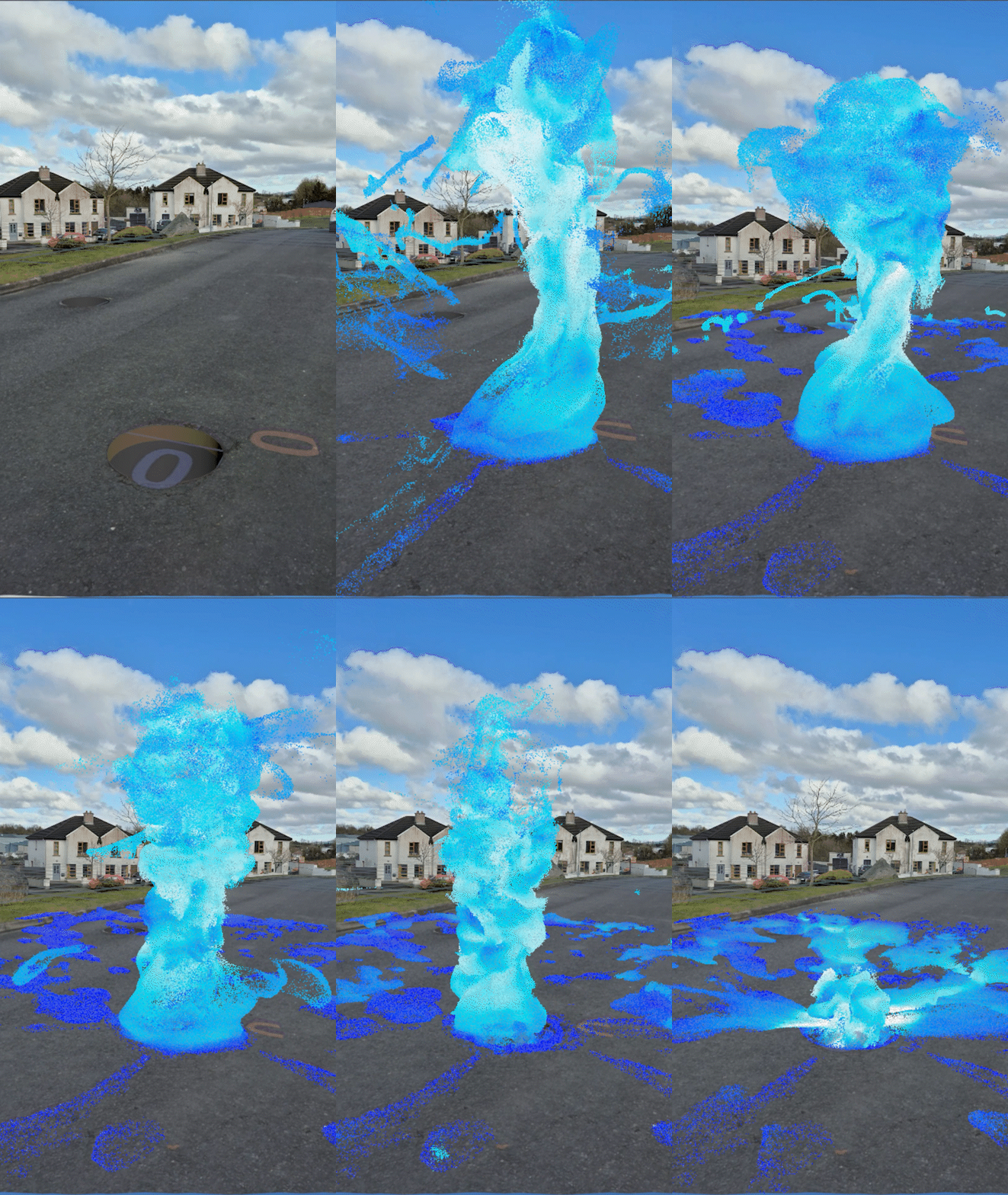
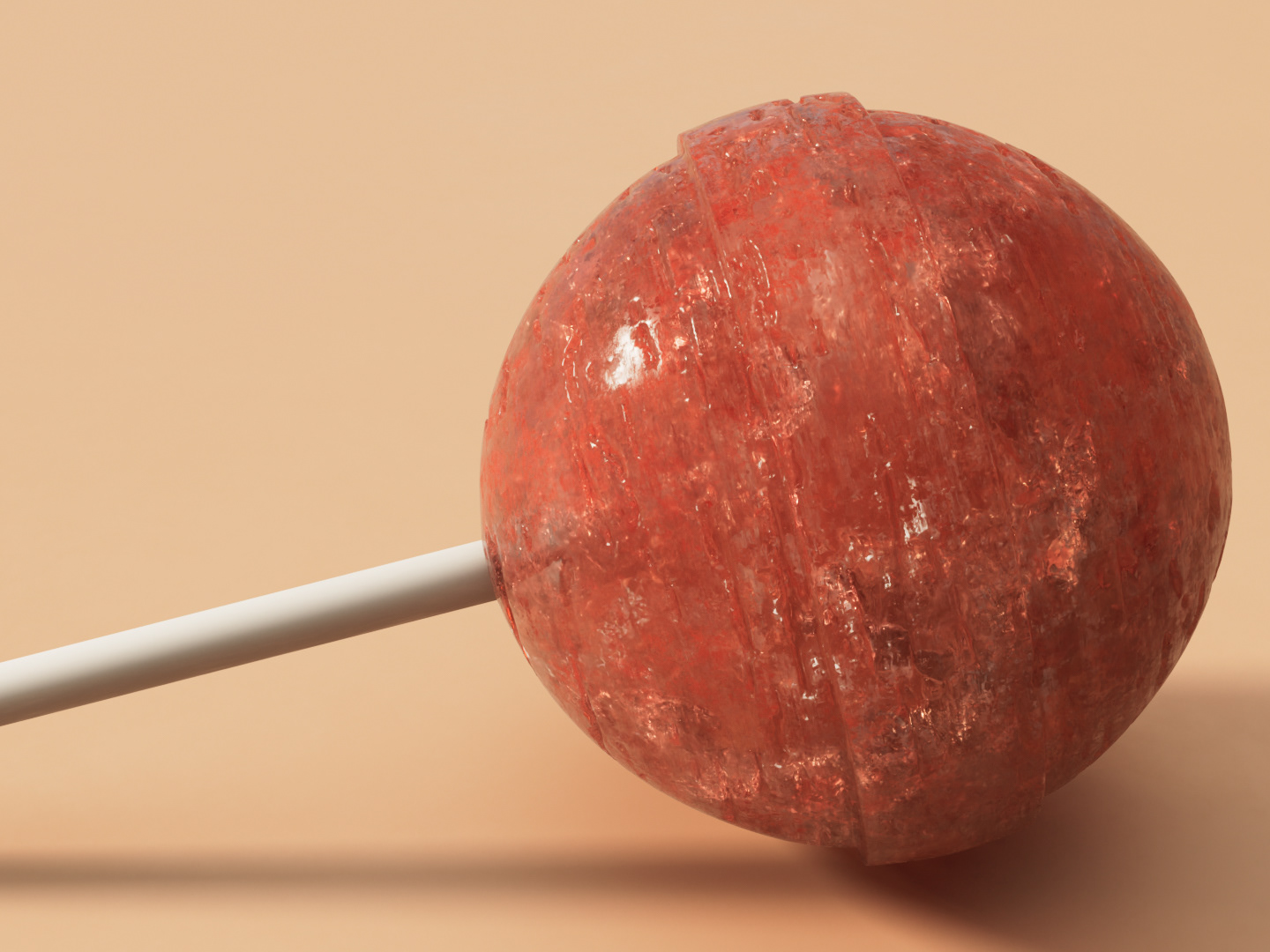
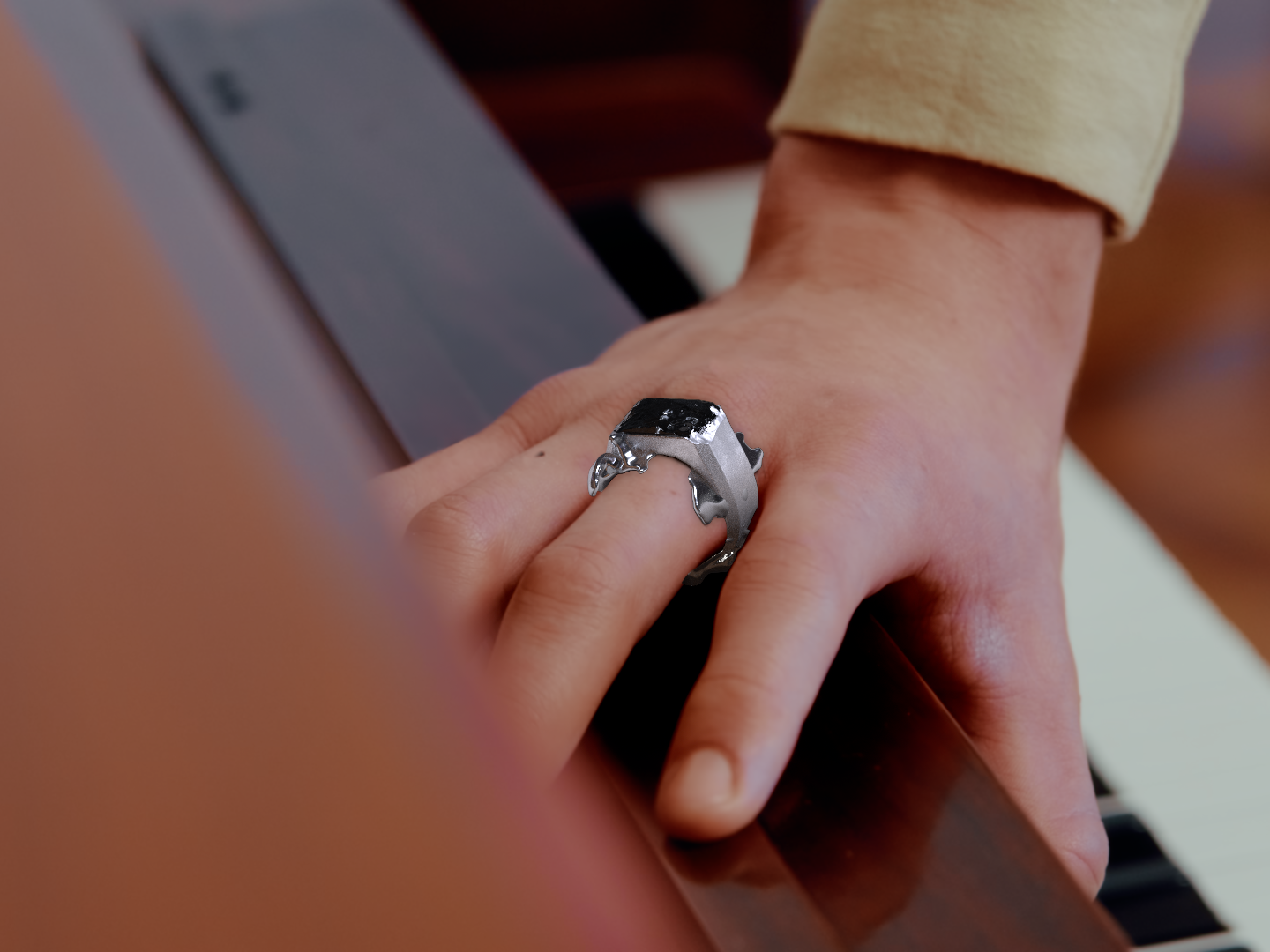
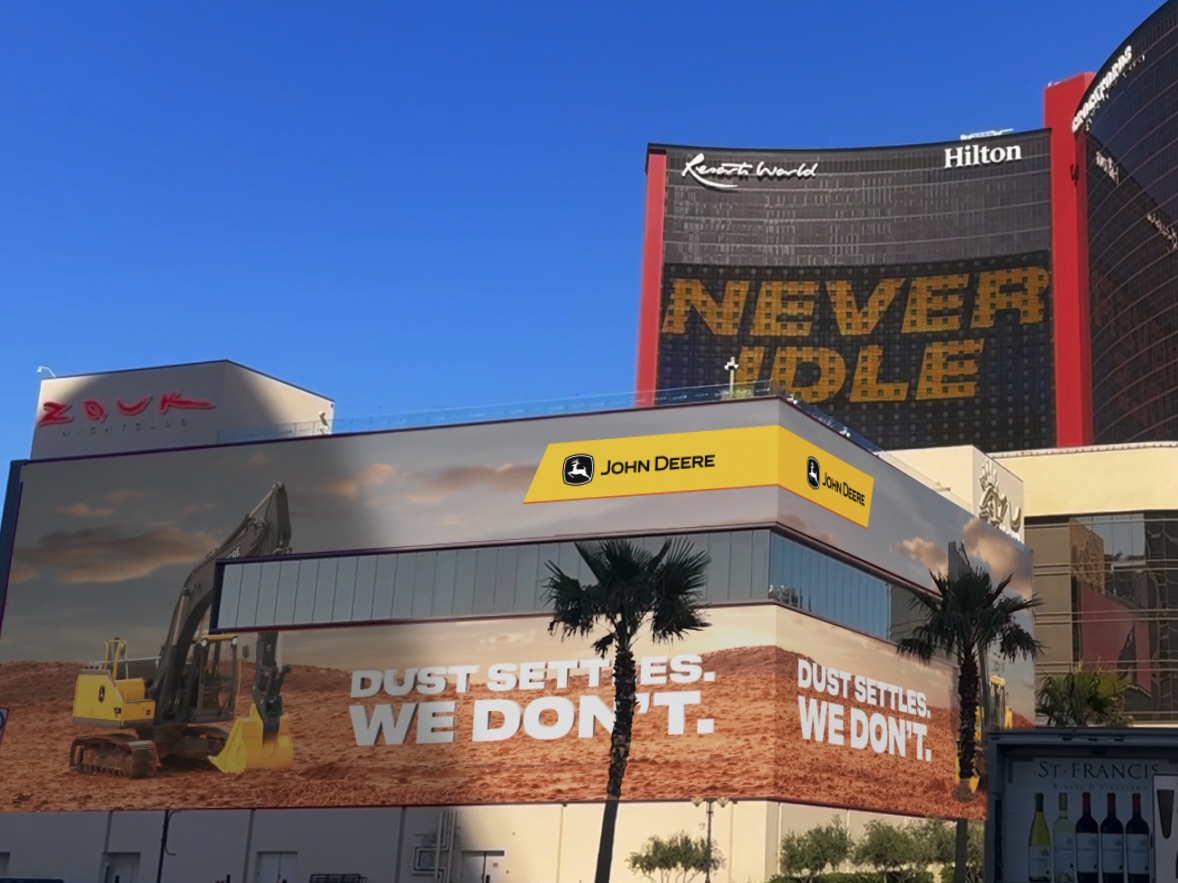
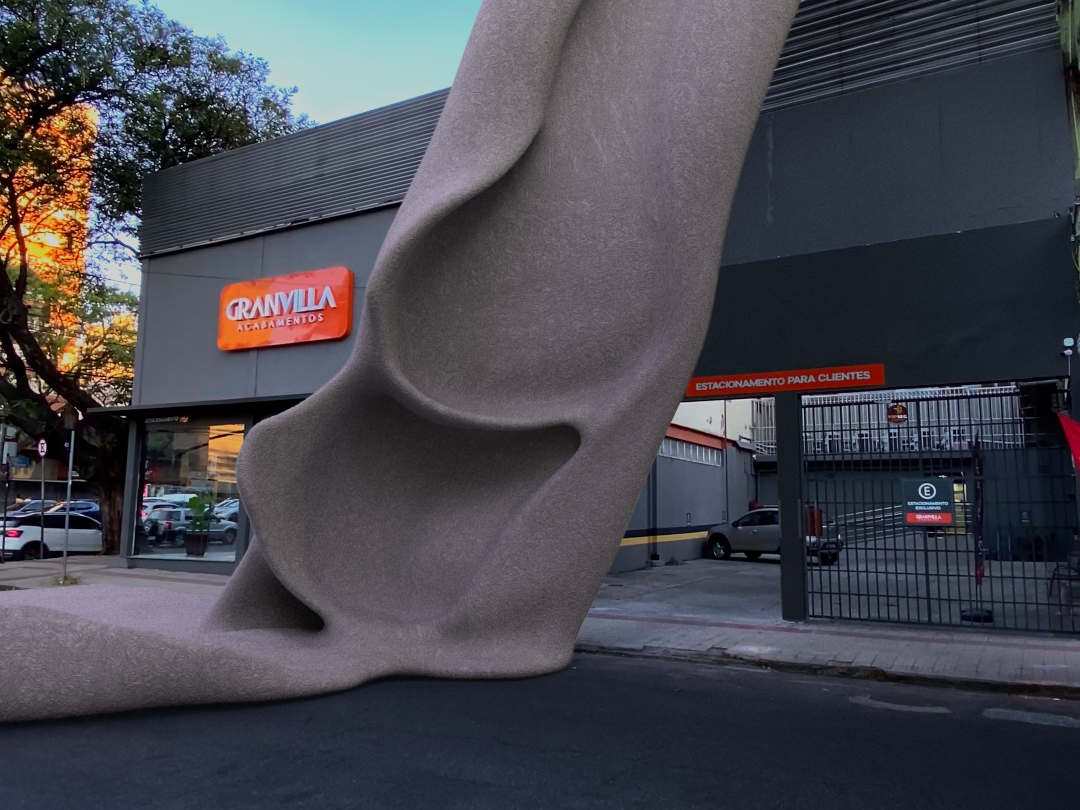
This shot follows a classic FOOH approach — I developed the concept, captured the plate on my phone, and 3D tracked the footage before moving into Houdini to build the VFX.
The goal of this project was to explore more advanced controls of velocity fields and custom forces in FLIP Simulations, while also pushing my whitewater workflows beyond standard FLIP tank setups.
Visual:
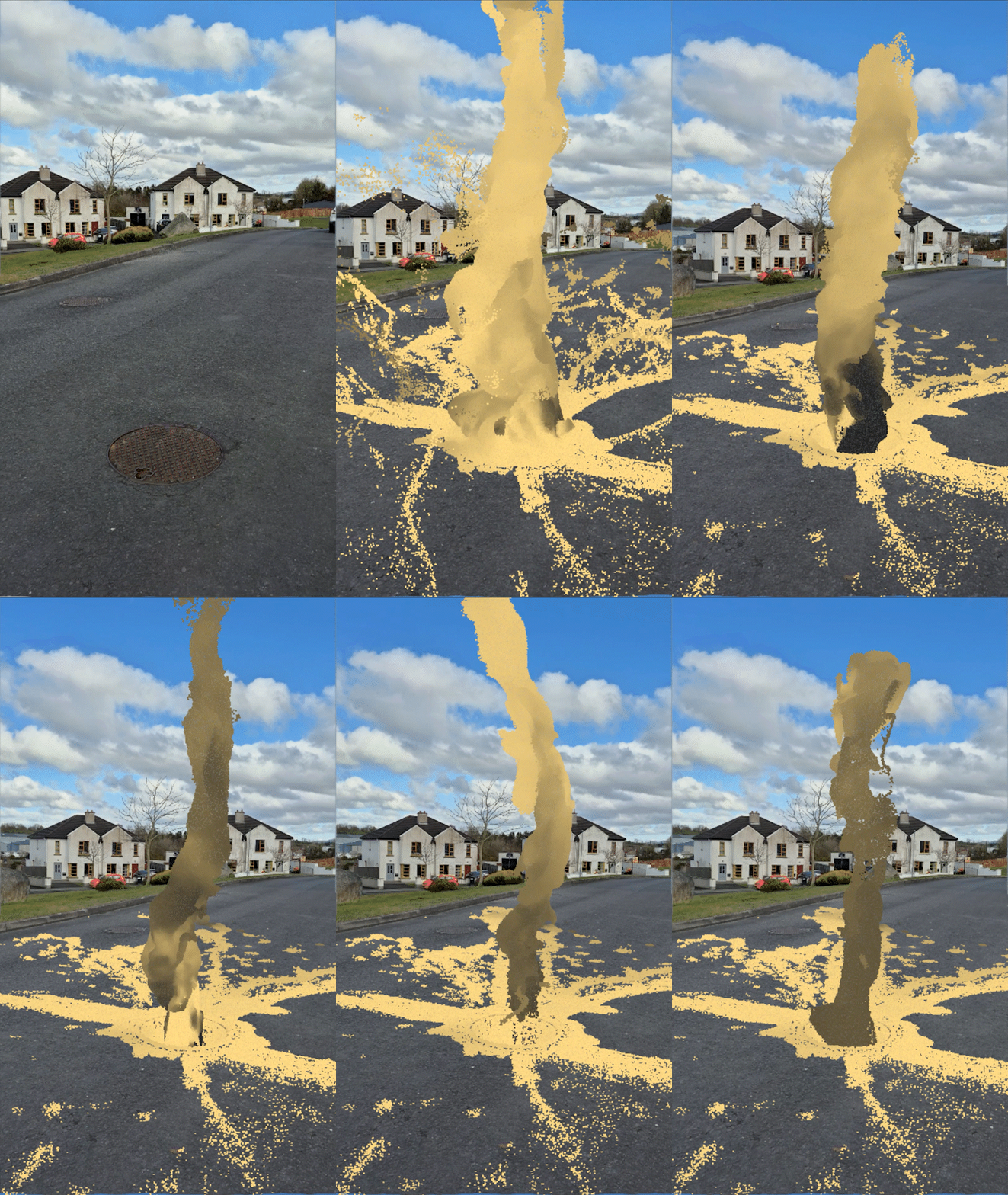
The core idea was to simulate a liquid vortex formed by a mixture of water and oil. To achieve this, I emitted two fluids with distinct physical properties, including density, viscosity, and surface tension.
Each fluid was assigned a @phase attribute, allowing them to interact within the same FLIP simulation. This attribute became essential during look development and rendering, as it enabled clear differentiation and control over the visual behavior of each liquid.
The Vortex:
A key challenge was controlling the vortex behavior, keeping the liquid contained within the force while maintaining a clean shape, without making the force so strong to prevent natural breakup and escape.
The vortex forces were fully animated, initially driving the liquid upward, and, after the magic was done, reversing it to pull it back into the manhole.
To support this motion, particles were managed through groups with distinct lifecycles: particles settling on the floor shouldn’t age, while particles within the vortex were continuously recycled to maintain a stable and dynamic flow.